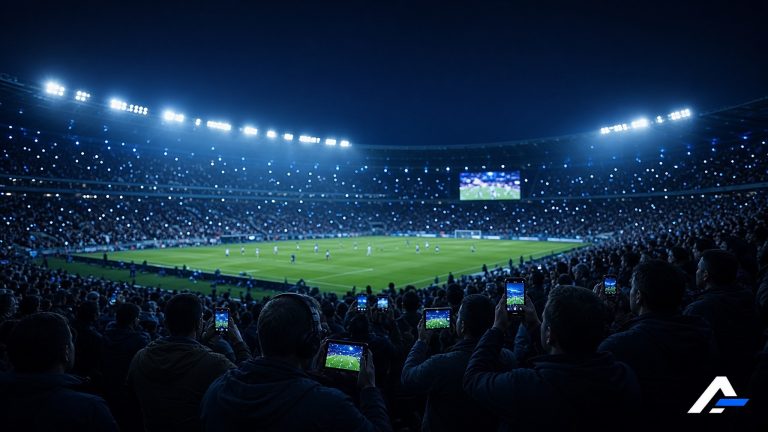

Football clubs spend a huge amount of time thinking about digital content, social media and online engagement.
But research highlighted today by 2Playbook suggests that what many supporters really value most is the opportunity to experience something in person.
According to the Global Living for Live Study 2025, based on 42,000 people across 15 countries, 93% of fans surveyed said they prefer real-world experiences to digital ones, while 80% would rather spend money on experiences than on physical products.
For football clubs, that is an important reminder that digital communication should not exist in isolation.
A social media post can create awareness. A video can create interest. A conversation online can begin a relationship.
But the real opportunity is often turning that interest into participation.
That might mean attending a match, visiting a stadium, joining a supporter event, accessing hospitality, meeting players or simply feeling that the club has created something worth experiencing in person.
The same research also points towards the value of exclusivity. Supporters increasingly respond to experiences that feel difficult to access elsewhere, while 71% of consumers surveyed in separate loyalty research felt that most loyalty programmes were too similar.
Football has an obvious advantage here.
Tickets, stadium access, hospitality, training-ground experiences, player interaction and behind-the-scenes opportunities are all assets that clubs already possess.
Used properly, they can strengthen relationships with supporters and also create meaningful opportunities for commercial partners.
The impact does not end when the event finishes either.
The research cited by 2Playbook found that 94% of respondents shared their experiences on social media, meaning a successful physical experience can generate its own digital reach afterwards.
That creates a useful cycle:
Good communication generates interest.
Interest creates participation.
Participation creates experiences.
And good experiences create more communication.
For football clubs trying to attract new audiences, the goal should not simply be more followers. It should be giving those followers a reason to become part of the club.